November 2, 2026
Modern vehicles rely on sophisticated engineering principles to keep occupants safe during daily transit. Automotive glass plays a critical role in maintaining this overall structural integrity during unexpected collisions. Drivers take these transparent barriers for granted until catastrophic damage occurs.
A cracked windshield compromises driver visibility and weakens the entire cabin architecture. Different positions on the vehicle require unique materials to ensure maximum passenger security. Forward-facing glass endures constant bombardment from road debris and harsh weather elements. Lateral panes face alternative physical stressors and require distinct manufacturing techniques.
The Evolution of Vehicle Glazing
Early automobiles lacked enclosed cabins and exposed drivers to harsh environmental conditions. Engineers introduced basic glass panes to deflect wind and driving rain. These early iterations proved dangerous during collisions due to sharp glass shards.
Innovations in material science revolutionized how manufacturers approach enclosed passenger cabins. Forward panels transitioned from fragile sheets to robust safety barriers. Similar advancements transformed lateral enclosures into specialized protective components. The automotive industry established rigorous standards to govern these essential safety features.
The Anatomy of Front Auto Glass
Laminated glass serves as the standard material for forward-facing automotive applications. This construction sandwiches a flexible plastic layer between outer sheets of standard glass. The inner core acts as a resilient bonding agent holding the exterior sheets together. This brilliant design prevents catastrophic shattering upon sudden blunt force impact.
When road debris strikes a windshield, the outer layer may crack. The inner plastic core maintains the overall structure and prevents dangerous shards from entering the cabin. This localized damage allows drivers to maintain steering control and pull over.
The Function of Laminated Layers
The plastic layer provides vital elasticity during severe frontal collisions. Occupants thrown against the front glass encounter a yielding surface rather than a rigid wall. This flexibility absorbs kinetic energy and reduces the severity of potential head injuries.
Modern vehicles rely on this forward pane to support passenger-side airbag deployment. The expanding airbag bounces off the glass to protect the occupant. A weakened or compromised windshield might fail under this immense outward pressure.
The Manufacturing of Forward Panes
Producing laminated safety glass requires precision engineering and specialized industrial equipment. Technicians clean and prepare the individual glass sheets before inserting the plastic core. The assembled sandwich undergoes immense pressure and intense heat within an industrial autoclave.
This intensive manufacturing process ensures absolute visual clarity and structural perfection. Any trapped air bubbles or material impurities could compromise driver visibility. The final product emerges as a unified piece capable of withstanding significant physical force. Quality control inspectors test these panels against strict standards before factory installation.
The Characteristics of Lateral Windows
Passenger doors require a distinct approach to safety glazing. These moving parts must endure constant opening and closing without degrading over time. The material must also allow for rapid escape during unforeseen emergencies. Laminated construction would make emergency egress impossible for trapped occupants.
Manufacturers developed an alternative solution to address these specific lateral requirements. According to Consumers' Checkbook, rear and side windows aren't double-layered; they typically use tempered glass, which is rapidly heated above 1,000°F then cooled. This thermal shock process alters the physical properties of the material.
The Creation of Tempered Panes
The tempering process creates intense internal tension within the glass panel. The rapid cooling solidifies the exterior while the interior remains molten for a longer duration. As the core cools, it pulls against the hardened outer shell. This constant tug-of-war gives the final product incredible structural strength.
Tempered panels resist blunt force impacts better than standard untreated glass. An accidental bump from a heavy object causes no structural damage. Striking the exposed edge with a sharp tool releases the internal tension.
The Mechanics of Glass Shattering
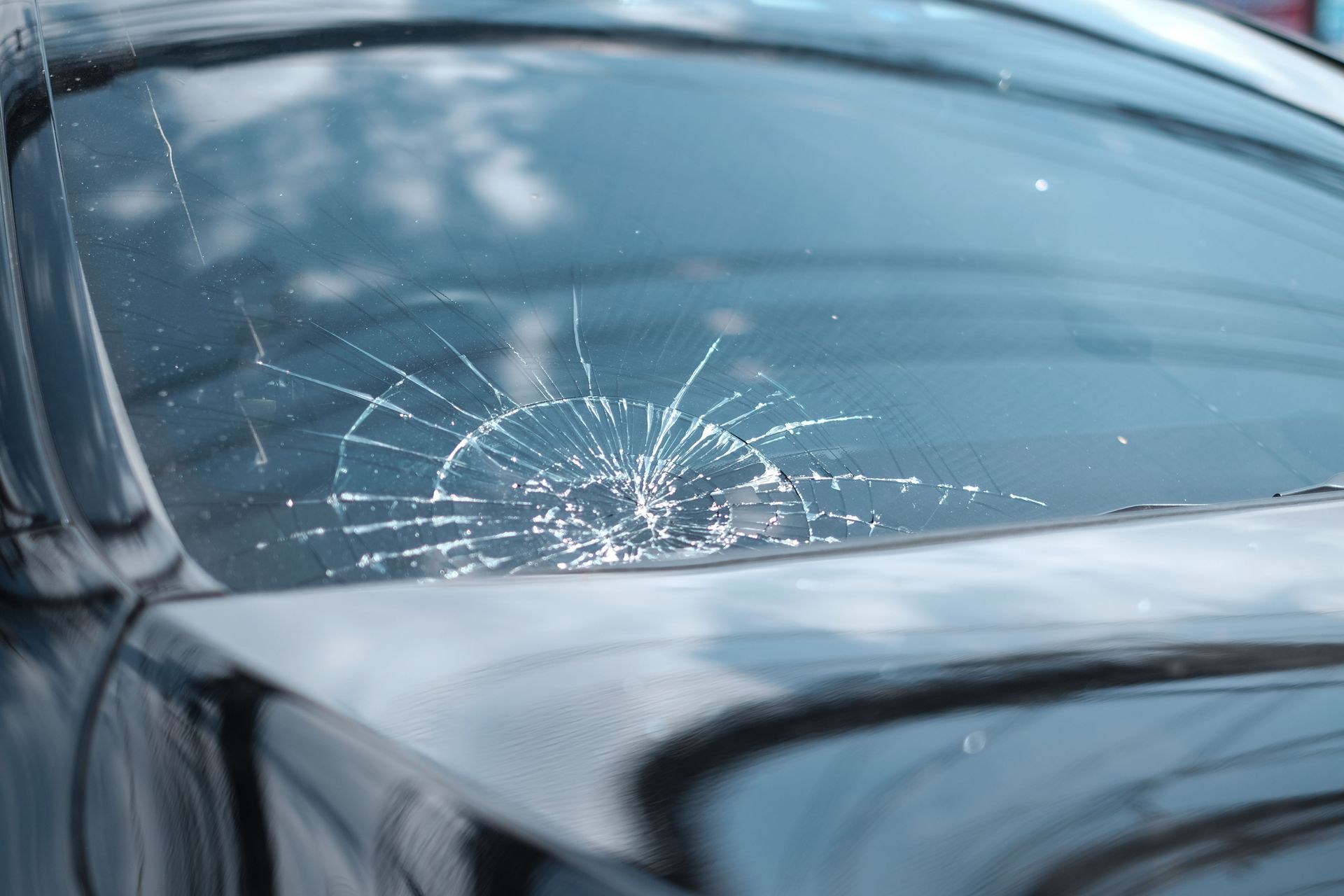
Laminated and tempered materials exhibit distinct behaviors when pushed past their breaking points. A cracked windshield exhibits a spiderweb pattern around the impact zone. The damage remains localized while the overall panel stays intact within the frame. This predictable behavior ensures ongoing passenger protection even after sustaining minor damage.
Tempered lateral panes explode into countless dull cubes when compromised. These tiny nuggets lack the lethal sharp edges found in broken standard glass. Occupants avoid severe lacerations because the material disintegrates upon catastrophic failure.
The Role of Passenger Protection
Every piece of automotive glass works together to create a protective outer shell. The rigid forward panel prevents roof collapse during rollover incidents. The breakable lateral panes provide essential emergency escape routes. Emergency responders rely on these specific material properties to extract trapped individuals.
Modifying these factory standards jeopardizes the carefully calculated safety ecosystem. Some luxury manufacturers use laminated panes for acoustic insulation on side doors. This controversial practice complicates rescue operations and concerns many safety advocates.
The Differences in Repair Methods
Technicians approach damage based on the type of glass involved. Small chips in a laminated windshield qualify for modern injection repairs. Professionals force specialized resin into the void to restore structural integrity.
The resin cures under ultraviolet light and bonds the broken pieces together. This simple procedure prevents the blemish from expanding across the driver's line of sight. Tempered panes offer no repair possibilities after sustaining physical damage. A broken lateral window requires a complete and immediate replacement.
The Complexities of Glass Replacement
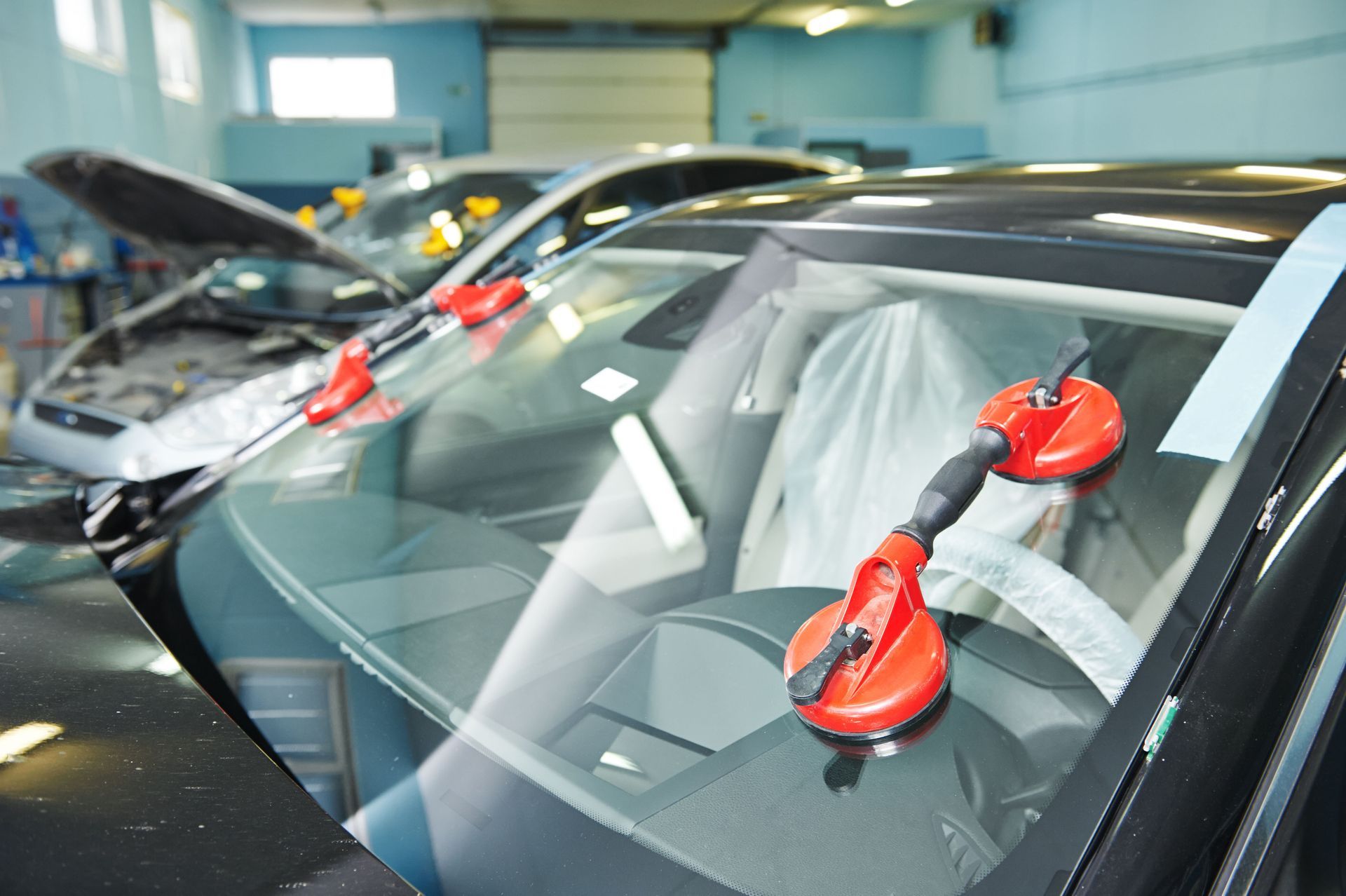
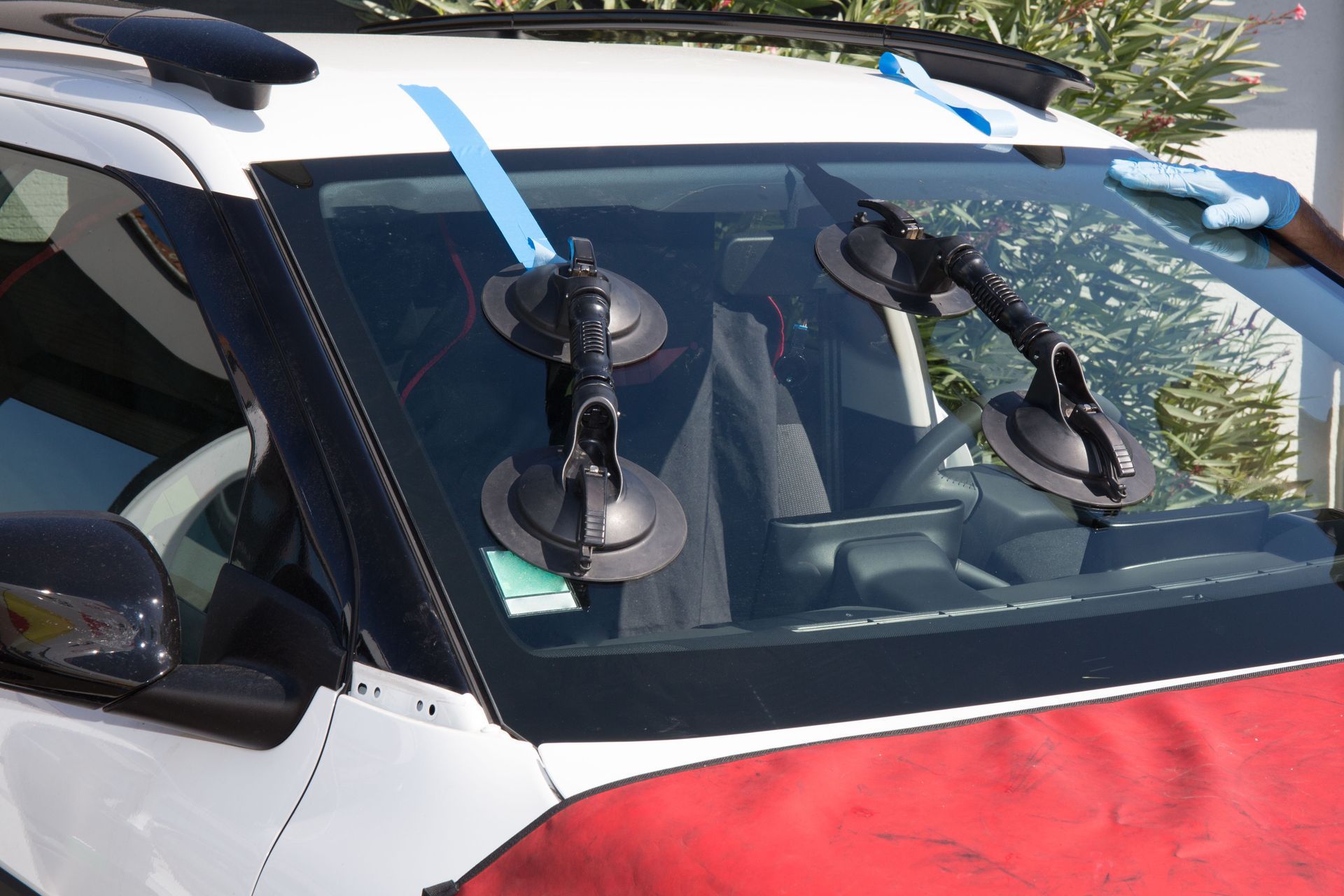
Swapping out damaged automotive glass requires immense skill and specialized adhesives. Technicians remove the compromised panel without scratching the surrounding vehicle paint. They apply strong urethane glue to create a waterproof and structural bond. The vehicle must remain stationary while the adhesive achieves optimal holding strength.
Replacing a moving door pane involves dismantling the interior door panel. Mechanics vacuum the shattered cubes from the inner door cavity before proceeding. They align the fresh pane within the motorized window regulator track.
The Impact of Temperature Changes
Extreme weather patterns test the durability of vehicle enclosures throughout the year. Frigid winter mornings cause the materials to contract and become brittle. Blasting the heater on a frozen windshield introduces rapid thermal expansion. This sudden stress turns tiny, invisible chips into massive, problematic cracks.
Scorching summer afternoons pose similar risks to compromised auto glass. The trapped cabin heat exerts outward pressure against the structural panels. Drivers should adjust the climate controls to avoid thermal shock. Parking in shaded areas helps minimize these dangerous temperature fluctuations.
The Maintenance of Clear Vision
Keeping auto glass immaculate improves overall driving safety and passenger comfort. Dirt and grime amplify glare from oncoming headlights during nighttime travel. Regular cleaning with specialized solutions prevents hazing and mineral buildup.
Replacing worn wiper blades prevents permanent scratches on the forward pane. Damaged rubber inserts expose bare metal that scores the delicate surface. Owners must address these minor maintenance tasks to avoid costly future replacements. Applying hydrophobic coatings helps repel rain and improves visibility during heavy storms.
The Expertise of Automotive Technicians
Trusting professionals with your auto glass ensures long-lasting and safe results. Our specialists understand the nuances of various glazing materials. We treat every vehicle with the utmost care and meticulous precision.
Attempting amateur repairs leads to disastrous consequences and compromised cabin safety. Flawed installations might detach during collisions or allow water intrusion. Relying on seasoned experts guarantees peace of mind on the open road.
The Commitment of Our Business
Quality craftsmanship and superior materials define our core business practices. We invite you to experience the immense difference our dedicated professionals provide. Safe travels begin with a clear and structurally sound passenger cabin.
We serve our community by delivering exceptional automotive glass solutions. Our team prioritizes your safety above all other daily operational concerns. Whether you need a simple windshield repair or a shattered door pane replaced, we help. Reach out to our friendly staff at D&A Auto Glass to schedule your comprehensive evaluation.