September 1, 2026
Windshields are critical components of any vehicle, vital for both safety and structural integrity. Over time, various factors and incidents can compromise a windshield's effectiveness, making replacement necessary. Here, we’ll explore common situations where you'll likely need to invest in a new windshield to ensure optimal visibility and safety during your drives. Recognizing these situations can pre-empt dangerous conditions and enhance your vehicle's safety standards. Regular inspection and understanding of these potential issues is essential for vehicle maintenance and accident prevention.
1. Severe Weather Damage
A. Hailstorms
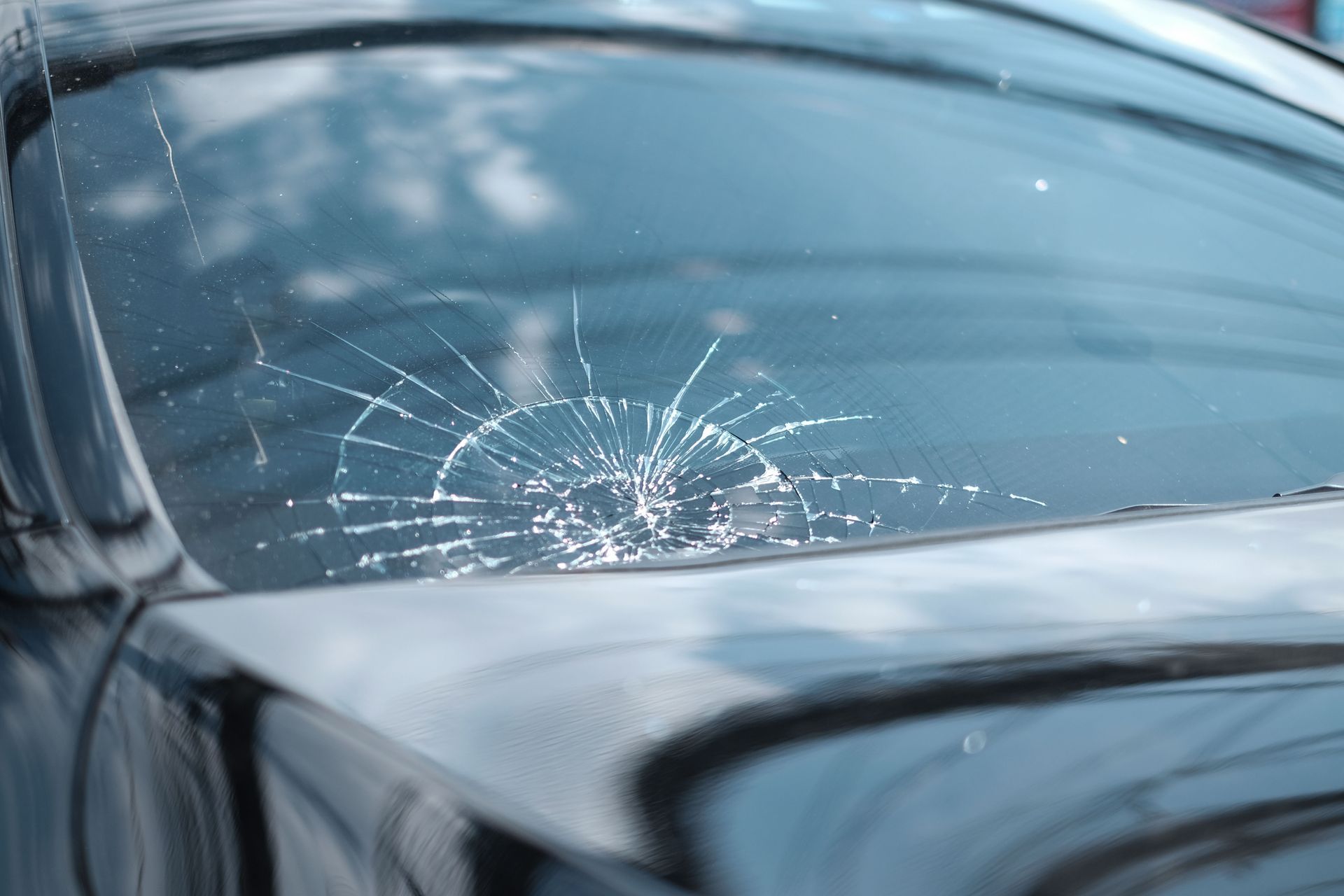
Hailstorms can wreak havoc on a vehicle's exterior, causing significant damage to the windshield. Each hailstone that impacts a windshield does so with a force sufficient to create small cracks or outright shatter the glass. These occurrences are unpredictable and hard to avoid, making them a primary cause for windshield replacement among many vehicle owners. Immediate action following a hailstorm is crucial, as the initial damage can quickly escalate with additional use and environmental exposure. Professional assessments post-storm are recommended to evaluate the extent of damage and necessary interventions.
B. High Winds with Debris
High winds frequently carry debris that can damage windshields, particularly in areas prone to storms and gusty weather. Branches, rocks, and other loose objects can become projectiles, striking and potentially cracking the windshield. The unpredictable and forceful nature of this debris means that damage can occur without warning, making it all the more imperative to address quickly. Regular checks and immediate repairs in the aftermath of violent wind conditions could save substantial costs of a complete windshield replacement. In situations where damage is more extensive, replacement becomes unavoidable to ensure safety.
C. Extreme Temperature Fluctuations
Temperature fluctuations, such as rapid transitions from extreme heat to cold, can induce stress fractures in windshields. The expansion and contraction of glass under these varying temperatures may lead to cracking, which compromises the structural integrity of the windshield. These stress fractures can start small but often expand over time, particularly if exposed to additional pressures like uneven terrain. Regular inspection of windshields, especially before and after significant temperature shifts, could avert these issues and prolong the life of the windshield. Repairing these fractures when first noticed can prevent them from enlarging and necessitating full replacement.
D. Ice and Frost Expansion
Ice accumulation is a familiar scenario in colder climates, where it has the potential to cause severe damage. As frost forms and expands, it can seep into pre-existing micro-cracks, enlarging them and weakening the glass. Ice scraping, a common winter task, inadvertently contributes to further abrasions and fractures on an already vulnerable windshield surface. Proactive maintenance, including the use of windshield covers and de-icing products, can mitigate some of these risks. However, when significant damage does occur, replacing the windshield becomes essential to maintain vehicle safety and ensure clear visibility.
E. Heavy Rain and Flood Situations
Heavy rain and subsequent flash floods elevate the risk of windshield damage from both direct impact by water and accompanying debris flow. Such weather sequences can dislodge earth and objects, leading to difficulty in navigation and potential windshield impacts. Exposure to flood conditions can also exacerbate existing windshield weaknesses, accelerating the breakdown of protective layers and seals. Evaluations after significant weather events are critical, helping identify whether replacement is needed for a reliable vehicular operation. By addressing concerns shortly after they arise, drivers prepare better for future heavy rains and minimized unforeseen breakdowns.
2. Collision and Traffic Accidents
A. Front-End Collisions
Front-end collisions are a common cause of windshield damage, where the direct impact often shatters or extensively cracks the glass. The severity of damage in such incidents frequently requires the complete replacement of the windshield to restore the vehicle's safety. Immediate assessment following an accident can help determine the extent of required repairs or replacements, helping to avoid further complications or hazards. Prompt replacement not only renews the aesthetic and functional state of the vehicle but more importantly, it reinstates necessary safety standards for subsequent journeys. Ignoring such critical repairs can compromise not only visibility but also the integrity of the vehicle's overall structure.
B. Side Swipes
While side swipes might predominantly affect the car doors and bodywork, the ripple effect can extend to the windshield. Cracks may originate from the periphery or get exacerbated through vibrations and structural shifts resulting from the impact. Although less direct than head-on collisions, the potential damaging effects on windshields from side swipes should not be underestimated. To sustain optimal visibility and ensure prolonged performance, addressing these emerging issues as early as possible is prudent. Replacement is often the advised remedy when the integrity of the glass is visibly compromised even at its edge.
C. Rollover Accidents
Rollover accidents exert intense stress on the vehicle and, unmistakably, the windshield. The weight and force in such scenarios often lead to significant shattering or structural risks to the windshield attending to which becomes imperative. The importance of the windshield goes beyond visibility during rollovers, playing a critical role in supporting the vehicle's roof during such incidents. Immediate inspection and assessment post-recovery from a rollover accident can preclude future catastrophe. Replacement decisions are often prompted to ensure continued robustness of the vehicle's framework and assurance of passenger safety.
D. Airbag Deployment
Airbag deployment in accidents, a protective measure, can itself inflict damage to the windshield. The force at which an airbag inflates may lead to cracks or, in some instances, dislodge the glass entirely from its position. Following any airbag-deploying incident, a thorough inspection of the windshield is recommended to evaluate its current state fully. Addressing even minor damage immediately following impact helps circumvent future instability or complete glass failure. Often, replacement is necessary when the glass exhibits signs of weakened adhesion or irreversible cracks post-event.
E. Multipoint Impacts
During accidents featuring multiple hits or points of impact, the windshield is highly susceptible to multifaceted damage. These complex impact scenarios can generate a network of cracks or extensive shattering, making comprehensive assessment and often full replacement necessary. Each point of impact introduces unique stress, in turn compromising the overall strength and dependability of the windshield. Fastidious attention following multi-impact collisions ensures windshield reliability for future traveling. Immediate rectification of this compounded damage is integral to restoring confidence in the vehicle’s safety and navigation capabilities.
3. Road Debris and Projectiles
A. Gravel and Small Rocks
Traveling on roads with loose gravel or small rocks can put windshields at constant risk of minor impacts and cracks. These seemingly innocuous pebbles, particularly when thrown from vehicle tires, have the potential to chip the glass, leading to larger fractures over time. Early intervention when noticing chips can prevent the necessity for full windshield replacement, but prolonged neglect commonly escalates to significant damage. Supplementing repair interventions with practical solutions, like stone shields or protective films, fortifies the glass against such road debilities. Many vehicle owners overlook these initial blemishes, culminating in the greater cost and inconvenience of eventual full glass replacement.
Vehicles navigating through or around construction zones are particularly vulnerable to a variety of airborne hazards. From cement particles to loose hardcore, the diversity of materials present poses an increased risk for windshield impact and deterioration. The chaotic atmosphere within these environments leaves little room for predictive evasion, often leading to unexpected chips and cracks. With frequent travel through such zones, periodic windshield assessments can forewarn potential replacements before larger safety issues arise. Challenges around construction areas underscore the need for vigilant maintenance and sometimes replacement, offering continued security and drivability. According to IBISWorld, the American windshield repair services market size exceeds $8.9 billion as of 2026. Be sure to reach out to D&A Auto Glass today to learn more about our professional new windshield!